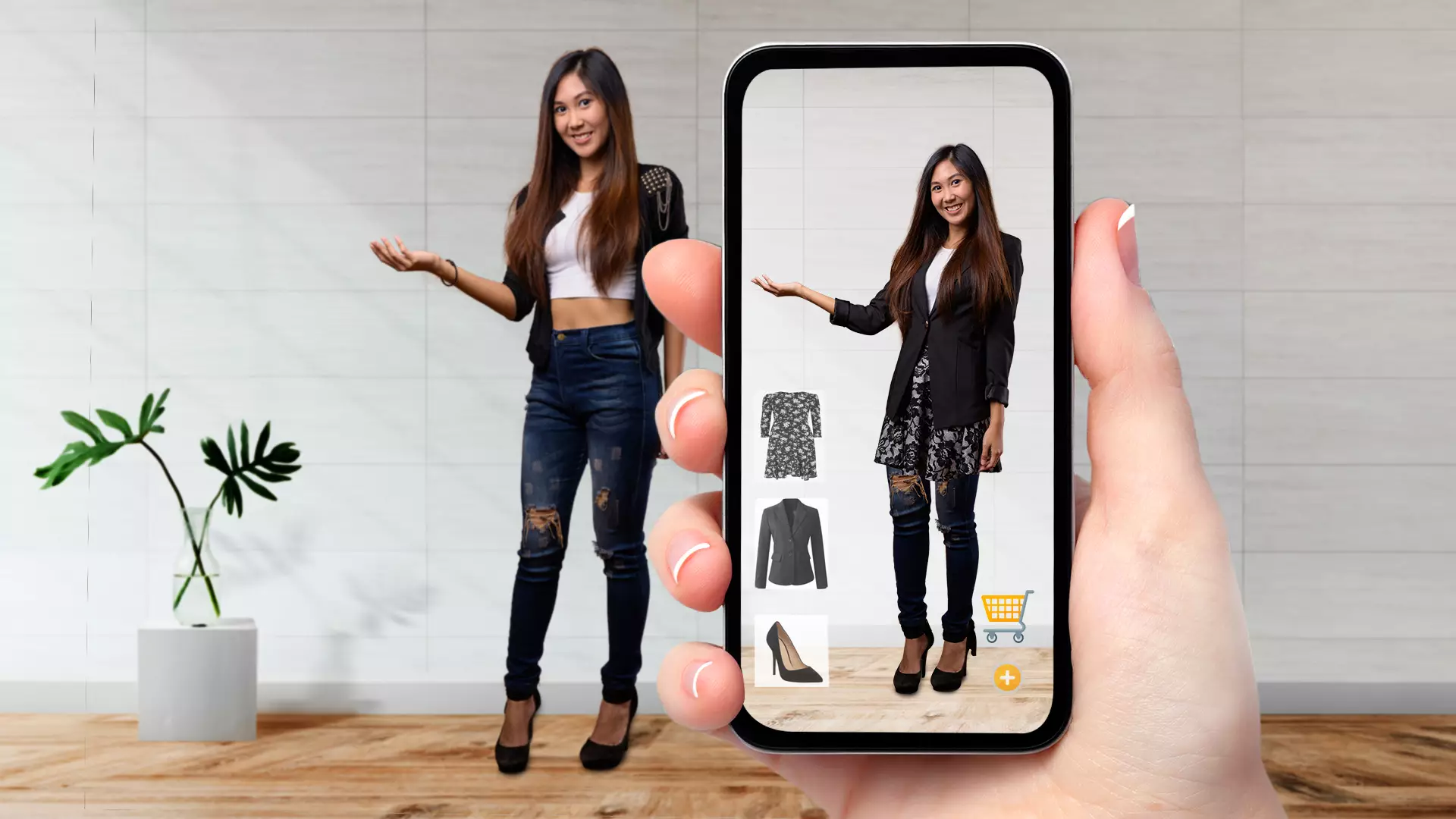
Online shopping has changed a lot in the last few years. Earlier, people were unsure about buying clothes, glasses, or makeup online because they could not try them before purchasing. Many customers faced problems like wrong size, poor fitting, or different colours than expected. This often led to returns, refunds, and frustration.
Now in 2026, things are very different. Virtual try-on technology is making online shopping smarter, easier, and more fun. With just a mobile phone or laptop, you can see how a dress looks on you, how a pair of sunglasses fits your face, or how a lipstick shade matches your skin tone. It feels almost like standing in front of a mirror in a real shop.
This technology is slowly becoming a normal part of shopping, especially for young people who are comfortable using apps and digital tools. It is not just a fancy feature anymore—it is becoming the future of online shopping.
How Virtual Try-On Technology Works and Why It Matters
Virtual try-on technology uses tools like augmented reality (AR), artificial intelligence (AI), and 3D modeling. These may sound technical, but the idea is quite simple. The system uses your camera to understand your face, body shape, or surroundings, and then places a digital product on you in real time.
For example, if you are trying sunglasses online, the camera scans your face and places the selected frame on it. You can move your head, and the glasses will move along with you. This gives a very realistic experience.
In clothing, some platforms allow you to enter your height, weight, and body type. Based on that, they create a digital version of you. Then you can “try on” different outfits to see how they look and fit.
One of the biggest reasons this technology is important is because it reduces uncertainty. Customers feel more confident when they can see how a product will look on them. This leads to better buying decisions.
Another major benefit is fewer returns. In traditional online shopping, many products are returned because they don’t fit or look good. With virtual try-on, customers already have a clear idea before buying. This saves time, money, and effort for both buyers and sellers.
It also makes shopping more enjoyable. Instead of just scrolling through images, users can interact with products. They can try multiple styles, colours, and combinations within minutes. It feels like playing with fashion, rather than just shopping.
This is especially useful in categories like:
- Clothing and fashion
- Eyewear
- Makeup and beauty products
- Footwear
- Accessories like watches and jewellery
Even furniture companies are using similar technology. You can place a virtual sofa in your living room using your phone camera to see if it fits your space.
Another interesting point is personalization. Virtual try-on systems learn from your choices. If you like certain colours or styles, the system can suggest similar products. This makes shopping faster and more relevant.
For brands, this technology gives better customer engagement. People spend more time on apps when they can interact with products. This increases the chances of purchase.
Also, in a country like India where online shopping is growing rapidly, virtual try-on helps bridge the gap between physical stores and digital platforms. Many customers in smaller cities are still hesitant to buy fashion items online. This technology gives them more confidence.
The Future of Shopping with Virtual Try-On in 2026 and Beyond
In 2026, virtual try-on is not just limited to basic features. It is becoming more advanced and realistic. The graphics are sharper, the fitting is more accurate, and the experience feels almost real.
One major development is the use of full-body scanning. Some apps now allow users to create a complete digital avatar. This avatar looks very similar to the real person. Once created, you can try unlimited outfits on this avatar without using the camera every time.
Another trend is integration with social media. People can try outfits virtually and share their looks with friends before buying. This adds a social element to shopping. It is similar to asking friends in a mall, “How does this look on me?”
Live shopping is also growing. Influencers and brands host live sessions where viewers can instantly try the showcased products on themselves. This creates a mix of entertainment and shopping.
In the beauty industry, virtual try-on has become extremely powerful. You can test different makeup styles, hairstyles, and even skin treatments digitally. This helps customers experiment without spending money on products they are unsure about.
There is also growth in AI styling assistants. These tools suggest complete looks based on your preferences, past purchases, and current trends. For example, if you select a shirt, the system may suggest matching pants, shoes, and accessories. You can try the entire outfit virtually.
Another important aspect is sustainability. Fashion waste is a big problem worldwide. Many clothes are returned or discarded. Virtual try-on helps reduce this waste by improving purchase accuracy. When people buy the right product the first time, fewer items are wasted.
Retailers are also saving money on logistics and returns. This can lead to better pricing for customers in the long run.
However, there are still some challenges. Not all virtual try-on systems are perfect. Sometimes the fit may not be 100% accurate. Lighting, camera quality, and body posture can affect the results.
Privacy is another concern. Since the technology uses cameras and personal data, companies must ensure strong data protection. Customers need to feel safe while using these features.
Also, smaller businesses may find it expensive to implement advanced virtual try-on systems. But as technology becomes more common, costs are expected to reduce.
Looking ahead, we may see even more advanced features. For example, haptic technology may allow users to “feel” fabrics digitally. Virtual reality (VR) shopping malls could let users walk through stores from their homes and try products in a fully immersive environment.
Imagine sitting at home, wearing VR glasses, and walking into a digital mall. You pick a dress, try it on instantly, check it from all angles, and buy it—all without stepping outside. This may sound futuristic, but it is not very far away.
For Indian shoppers, this technology is especially exciting. With the growing use of smartphones and affordable internet, more people are exploring online shopping. Virtual try-on can make this experience more trustworthy and enjoyable.
In the end, virtual try-on is not just a trend—it is a major shift in how people shop. It combines technology with daily life in a simple and useful way. It saves time, reduces mistakes, and adds fun to the shopping experience.
As we move forward, online shopping will become more interactive, more personal, and more realistic. Virtual try-on technology is leading this change, making sure that customers no longer have to guess—they can see, try, and decide with confidence.
The future of shopping is not just online. It is smart, visual, and almost real.