Fashion has always been about style, comfort, and self-expression. But in 2026, fashion is no longer just about how clothes look—it is also about what they can do. With the rise of wearable technology, clothing is becoming smarter, more functional, and more connected to our daily lives.
Smart clothing is a new trend where garments are designed with built-in technology like sensors, microchips, and connectivity features. These clothes can track health, adjust to weather, improve performance, and even interact with other devices. What once sounded futuristic is now slowly becoming part of everyday fashion.
For people in India and around the world, smart clothing offers a new way to combine style with usefulness. It is especially attractive for fitness lovers, working professionals, and even elderly users who want better health monitoring in a simple way.
What is Smart Clothing and How It Works
Smart clothing, also known as e-textiles or intelligent garments, is made using special fabrics that have electronic components woven into them. These components can collect data, respond to conditions, and sometimes even send information to your smartphone.
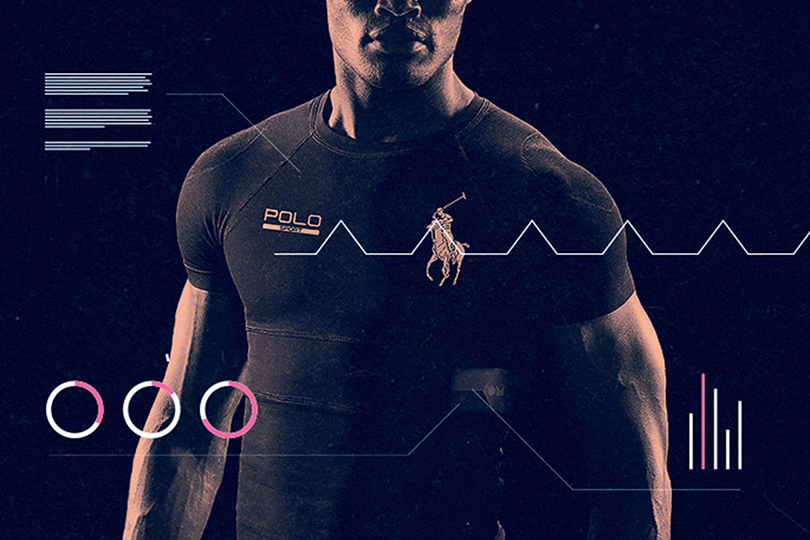
For example, a smart T-shirt can track your heart rate, breathing pattern, and physical activity. This data is then sent to a mobile app, where you can see your performance and health details. This is similar to fitness bands, but more comfortable because it is part of your clothing.
Some smart clothes are designed for temperature control. They can adjust based on the weather or your body heat. For example, a jacket may become warmer in cold conditions or allow better airflow when it is hot.
In sports and fitness, smart clothing is becoming very useful. Athletes use these garments to track muscle movement, posture, and performance. This helps them improve their training and avoid injuries.
Another interesting feature is posture correction. Some smart shirts and belts gently vibrate when you are sitting or standing in the wrong posture. This is helpful for people who work long hours on computers.
Smart clothing is also being used in healthcare. Special garments can monitor patients’ vital signs continuously, such as heart rate, body temperature, and breathing. This is useful for elderly people or patients who need regular monitoring.
In industrial settings, smart uniforms can improve safety. For example, workers in risky environments may wear clothes that detect heat, harmful gases, or fatigue levels, and send alerts when needed.
Connectivity is a key part of smart clothing. Many garments connect to smartphones through Bluetooth. Some advanced versions can even connect to the internet, allowing real-time data sharing.
The materials used in smart clothing are also improving. Designers are focusing on making these garments comfortable, washable, and durable. Earlier, one of the biggest concerns was that electronics might get damaged during washing, but now many products are designed to handle regular use.
How Smart Clothing is Shaping the Future of Fashion in 2026
In 2026, smart clothing is not just about technology—it is also about convenience and lifestyle. People are looking for solutions that make their daily life easier, and smart garments are helping achieve that.
One major impact is in health awareness. Instead of using separate devices, people can simply wear their clothes and track important health data. This makes monitoring more natural and less intrusive.
Fitness is another area where smart clothing is growing fast. Gym-goers and athletes prefer clothes that give real-time feedback. It helps them train smarter, not just harder.
Fashion brands are also experimenting with design. Earlier, wearable tech looked bulky or unattractive, but now companies are creating stylish smart clothing that looks just like regular fashion. This makes it easier for people to adopt the trend.
In India, this trend is slowly picking up, especially among young professionals and fitness enthusiasts. As technology becomes more affordable, smart clothing is expected to reach a wider audience.
Sustainability is another important factor. Some smart clothes are designed to last longer and adapt to different conditions, reducing the need for multiple garments. This supports the idea of mindful and eco-friendly fashion.
Another interesting development is interactive clothing. Some garments can change colour or design using technology. This allows users to customise their look without buying new clothes. While still developing, this concept has huge potential.
Work environments are also changing with smart clothing. For example, employees in physically demanding jobs can use smart uniforms to monitor fatigue and prevent injuries. This improves safety and productivity.
However, there are still challenges. One major concern is cost. Smart clothing is generally more expensive than regular clothes, which can limit its adoption.
Privacy is another issue. Since these garments collect personal data, it is important to ensure that this information is secure and used properly.
Battery life is also a factor. Some smart clothes require charging, which can be inconvenient. But companies are working on better battery solutions and even energy-harvesting technologies.
Comfort and maintenance are also important. People expect their clothes to be easy to wear and care for. As technology improves, smart clothing is becoming more user-friendly.
Looking ahead, the future of smart clothing is very exciting. We may see clothes that can monitor health conditions in real time and alert doctors automatically. Clothes that adjust perfectly to body shape and temperature. Even garments that can charge your phone using body movement or solar energy.
In daily life, this means more convenience and better health awareness. Instead of carrying multiple devices, your clothing itself becomes a smart assistant.
For Indian consumers, this trend will become more relevant as prices reduce and awareness increases. With a strong textile industry and growing tech sector, India has great potential in this field.
In conclusion, smart clothing in 2026 is changing the way we think about fashion. It is no longer just about looking good—it is also about feeling better, staying healthy, and living smarter.
By combining technology with everyday wear, smart clothing is creating a future where fashion is not only stylish but also intelligent and useful.
The clothes we wear are becoming more than just fabric—they are becoming a part of our connected lifestyle.