In today’s fast-moving life, health is becoming a top priority for many people. Whether it is a young professional working long hours, a fitness enthusiast going to the gym, or an elderly person managing daily health, everyone wants to stay fit and aware of their body. This is where wearable health gadgets are making a big difference.
In 2026, wearable technology has become smarter, more accurate, and easier to use. These devices are no longer just step counters. They can track heart rate, sleep quality, stress levels, oxygen levels, and even early signs of health issues. Some devices can also connect directly with doctors or health apps, making healthcare more proactive than reactive.
People in India are also quickly adopting these gadgets, especially with increasing awareness about lifestyle diseases like diabetes, high blood pressure, and heart problems. Wearable health gadgets are helping users understand their bodies better and take action before problems become serious.
Popular Wearable Health Gadgets and Their Features
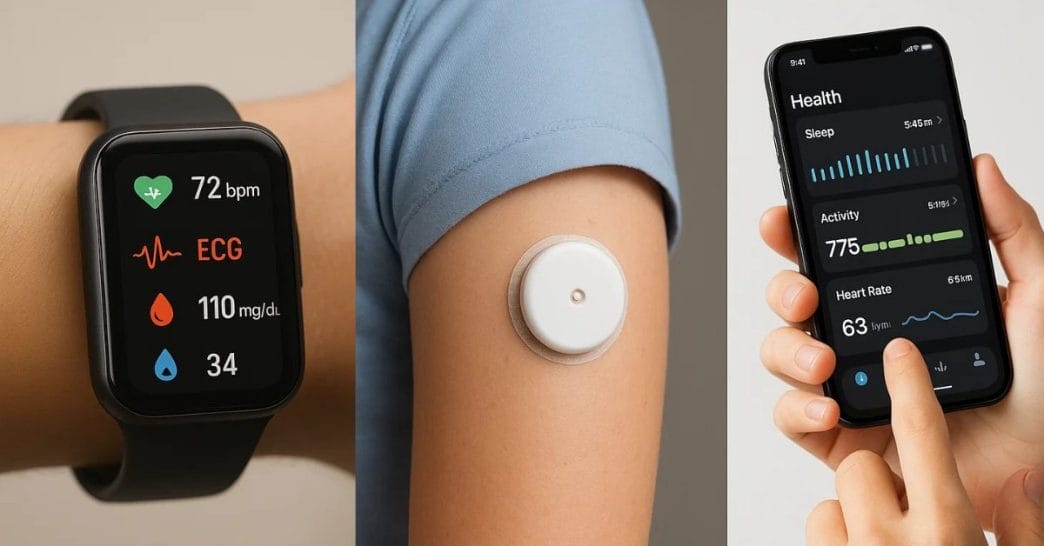
The most common wearable device is the smartwatch. But in 2026, smartwatches have become much more powerful than before. They can monitor multiple health parameters in real time. For example, they track your heart rate throughout the day and alert you if something unusual happens.
Many smartwatches now also measure blood oxygen levels (SpO2), which became popular during the COVID period. This feature is still very useful, especially for people with breathing issues.
Another important feature is ECG (electrocardiogram). Some advanced smartwatches allow users to take a quick ECG reading anytime. This helps in detecting irregular heart rhythms early.
Fitness bands are also popular, especially among people who want a simple and affordable option. They focus on basic tracking like steps, calories burned, distance walked, and sleep patterns. These are ideal for beginners who want to start their fitness journey.
Smart rings are a newer category that is gaining attention. These rings look simple but have powerful sensors inside. They can track sleep, heart rate, and activity levels. Many users prefer them because they are lightweight and comfortable compared to watches.
Wearable patches are another interesting innovation. These are small devices that stick to your skin and continuously monitor health data. Some patches are used for tracking glucose levels in diabetic patients without the need for regular finger pricks. This is a big relief for many people.
There are also smart clothing options available now. These include T-shirts, socks, or innerwear with built-in sensors. They can track body movement, posture, and even muscle activity. Athletes and fitness trainers use these for better performance analysis.
Sleep tracking has become very advanced in 2026. Wearables can now break down your sleep into different stages like light sleep, deep sleep, and REM sleep. They also give suggestions to improve sleep quality, such as the best time to sleep or wake up.
Stress tracking is another important feature. These devices analyse your heart rate variability and other signals to understand stress levels. They may suggest breathing exercises or short breaks when stress is high.
Many wearables now come with built-in GPS, which helps in tracking outdoor activities like running or cycling without needing a phone. Some also include fall detection, which is especially useful for elderly users. If a fall is detected, the device can send an alert to family members.
Battery life has also improved a lot. Some devices can last for several days on a single charge, which makes them more convenient for daily use.
How Wearable Health Gadgets Are Changing Daily Life in 2026
Wearable health gadgets are not just about tracking data—they are changing how people think about health. Earlier, people would visit a doctor only when they felt unwell. Now, with continuous monitoring, users can spot small changes in their body early.
For example, if your resting heart rate suddenly increases over a few days, it could be a sign of stress, illness, or lack of sleep. The wearable device alerts you, and you can take action immediately.
These gadgets also help in building healthy habits. When you see your daily step count or calorie burn, you feel motivated to stay active. Many apps provide daily goals, reminders, and rewards, which make fitness more engaging.
In India, where many people have busy schedules, wearable devices act like a personal health assistant. They remind you to drink water, stand up after long sitting hours, or complete your daily activity goals.
For elderly people, these devices provide a sense of safety. Features like heart monitoring, fall detection, and emergency alerts can be life-saving. Family members can also stay connected and monitor their health remotely.
Another big impact is on fitness training. Trainers now use wearable data to create personalized workout plans. Instead of guessing, they can see exact data like heart rate zones, recovery time, and performance levels.
Mental health is also getting attention. Wearables that track stress and sleep are helping users understand their mental well-being better. Simple features like guided breathing exercises or relaxation reminders can make a big difference in daily life.
Healthcare systems are also slowly integrating wearable data. Some doctors now consider data from these devices during consultations. This gives a more complete picture of the patient’s lifestyle and health patterns.
However, it is important to understand that these gadgets are not a replacement for medical advice. They are helpful tools, but serious health concerns should always be discussed with a doctor.
Privacy is another area to consider. Since these devices collect personal health data, users should choose trusted brands and understand how their data is used.
Looking into the future, wearable health gadgets will become even more advanced. We may see devices that can monitor blood pressure continuously without a cuff, detect early signs of diseases like diabetes or heart conditions, and provide real-time health suggestions.
Artificial intelligence will play a bigger role. Wearables will not just show data but also explain what it means and what actions to take. This will make health management easier for everyone.
In a country like India, where access to healthcare can be limited in some areas, wearable gadgets can act as a first level of monitoring. They can help people stay aware and take timely action.
In conclusion, wearable health gadgets in 2026 are powerful tools that bring health monitoring into daily life. They are simple to use, widely available, and useful for people of all ages. By helping users track their body like never before, these devices are making health management smarter, easier, and more proactive.
The future of health is not just in hospitals—it is on your wrist, your finger, and even in your clothes.