Life today feels faster than ever. From constant mobile notifications to work pressure and social media, many people feel mentally tired even when they are not doing much physically. In cities especially, the rush never seems to stop. Everyone is trying to do more in less time, often forgetting to pause and breathe.
In 2026, more people are starting to realise that this fast lifestyle is not always healthy. Stress, anxiety, and burnout are becoming common problems, even among young people. This is where the concept of slow living is gaining attention.
Slow living does not mean being lazy or doing everything slowly. It simply means living with more awareness, making thoughtful choices, and focusing on what truly matters. It is about quality over quantity—whether it is work, relationships, or daily habits.
This lifestyle is slowly becoming popular in India as well, especially among people who want better mental peace without giving up their responsibilities.
What Is Slow Living and How to Practice It Daily
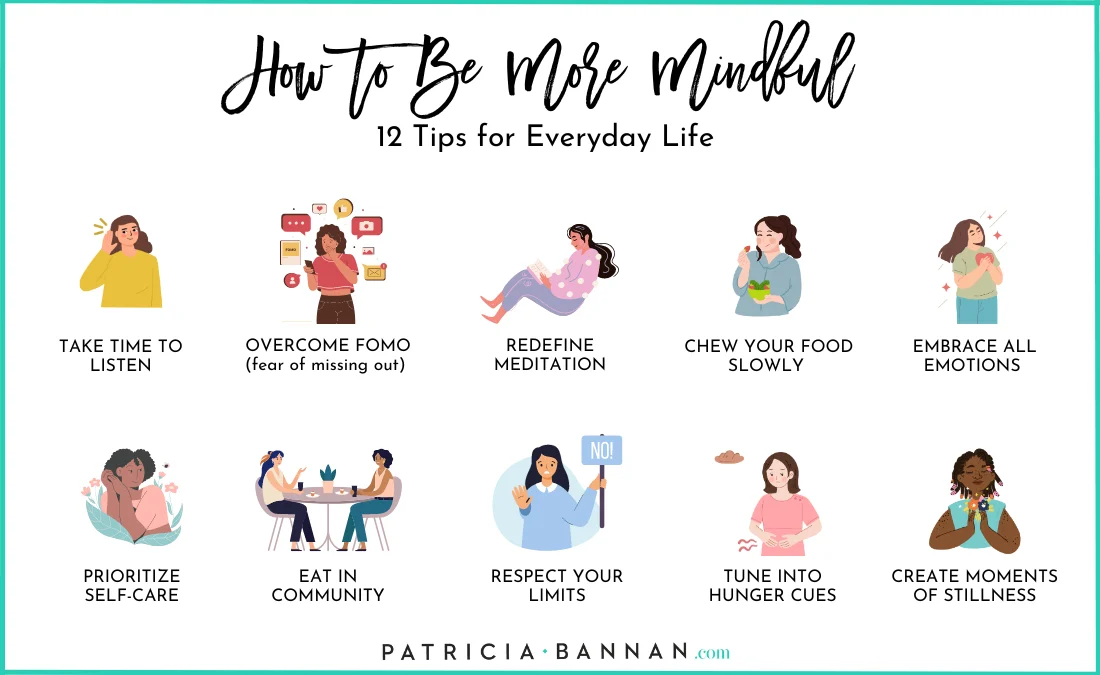
Slow living is all about being present in the moment. Instead of rushing through the day, you take time to experience what you are doing. Whether you are eating, working, or spending time with family, you do it with full attention.
One of the simplest ways to start is by creating a calm morning routine. Instead of checking your phone immediately after waking up, you can spend a few minutes in silence, stretch your body, or have a peaceful cup of tea. This sets a relaxed tone for the rest of the day.
Another important part of slow living is mindful eating. Many people eat while watching TV or scrolling on their phones. In slow living, you focus on your food—its taste, smell, and texture. This not only improves digestion but also makes meals more enjoyable.
Reducing digital distractions is also very important. In 2026, people spend a lot of time on screens for work and entertainment. Taking short breaks from mobile phones and social media can help reduce stress. Even keeping your phone away during meals or before sleep can make a big difference.
Time management plays a key role here. Instead of filling your day with too many tasks, focus on a few important ones. Completing them calmly gives better results than rushing through many things.
Your living space also affects your mind. A clean and simple home can create a sense of peace. You do not need expensive decor—just keeping things organised and clutter-free can improve your mood.
Spending time in nature is another powerful way to practice slow living. A short walk in a park, sitting under a tree, or even caring for plants at home can help you feel relaxed and connected.
Relationships also become stronger with this lifestyle. Instead of quick conversations, you spend meaningful time with family and friends. Listening properly and being present in conversations improves emotional connection.
Slow living also encourages doing things you enjoy. It could be reading, cooking, painting, gardening, or any hobby. These activities help you relax and feel happy without any pressure.
Sleep is another important factor. A slow lifestyle gives importance to proper rest. Going to bed on time and avoiding screens before sleep can improve sleep quality and overall health.
Benefits of Slow Living and Why It Matters in 2026
The biggest benefit of slow living is reduced stress. When you stop rushing all the time, your mind becomes calmer. You start feeling more in control of your life instead of always feeling busy and overwhelmed.
Mental health improves significantly. Many people experience anxiety because they are constantly thinking about the next task. Slow living helps you focus on the present moment, which reduces overthinking.
Physical health also benefits. Eating mindfully, sleeping well, and reducing stress all contribute to better overall health. Problems like high blood pressure, fatigue, and poor digestion can improve with a slower lifestyle.
Another important advantage is better productivity. It may sound surprising, but doing fewer things with full focus often gives better results than multitasking. Your work quality improves when you are not constantly distracted.
Financial benefits can also be seen. Slow living encourages conscious spending. Instead of buying things impulsively, you think before making purchases. This helps in saving money and avoiding unnecessary expenses.
In 2026, many people are also choosing slow travel. Instead of rushing to cover many places, they spend more time in one location, understanding the culture and enjoying the experience. This makes travel more meaningful and less tiring.
Work culture is also slowly changing. Some companies are encouraging flexible schedules and work-life balance. Employees are realising that constant hustle is not sustainable in the long run.
In India, where family and community are important, slow living fits naturally. Spending time with loved ones, enjoying home-cooked meals, and celebrating small moments are already part of our culture. Slow living simply brings more awareness to these habits.
However, it is important to understand that slow living does not mean avoiding responsibilities. You can still be ambitious and hardworking. The idea is to avoid unnecessary stress and focus on what truly matters.
There may be challenges in the beginning. It is not easy to slow down when you are used to a fast routine. You may feel guilty for taking breaks or doing less. But with time, it becomes more natural.
Small steps can make a big difference. You do not need to change your entire lifestyle overnight. Start with simple habits like reducing screen time, improving your sleep routine, or taking short breaks during the day.
Looking ahead, slow living is likely to become even more important. As technology continues to grow, people will need balance more than ever. Being constantly connected can be exhausting, and slow living offers a way to stay grounded.
In conclusion, slow living in 2026 is not just a trend—it is a practical approach to living a healthier and more peaceful life. It helps you reduce stress, improve relationships, and enjoy everyday moments.
The goal is not to do less, but to live better. By slowing down and being mindful, you can create a life that feels calm, meaningful, and truly satisfying.