I still remember the day I opened my wardrobe and felt like I had “nothing to wear” — even though it was completely full. Clothes I wore once, impulse buys during sale season, and pieces that didn’t even match each other. That was the moment I started thinking: Is fashion really about buying more? Or is it about choosing better?
In 2026, sustainable fashion is not just a trend anymore — it’s a mindset. As a young Indian woman who loves style but also cares about the environment, I’ve slowly learned how to balance both. And trust me, you don’t have to compromise on looking good to be eco-friendly.
Let me walk you through how you can build a wardrobe that is both stylish and sustainable, in a simple and practical way.
Understanding Sustainable Fashion in Real Life
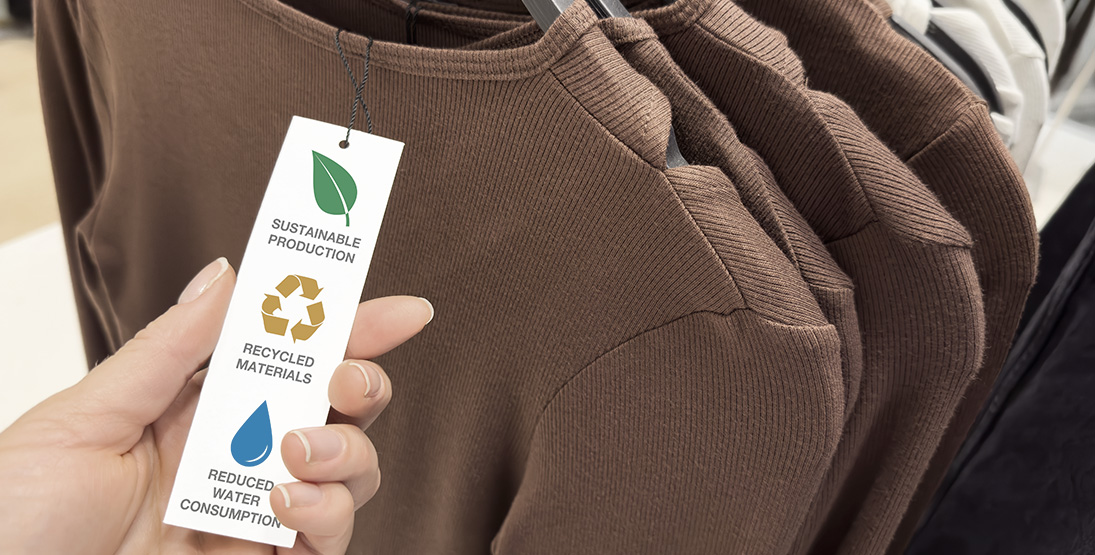
Sustainable fashion sounds like a big, complicated concept, but in real life, it’s actually quite simple. It means choosing clothes that are good for the environment, made ethically, and used for a longer time instead of being thrown away quickly.
In India, we already have a strong connection to sustainability — we just don’t always realise it. Think about how our mothers reuse sarees, turn old dupattas into kurtis, or pass clothes down to younger siblings. That’s sustainable fashion in its purest form.
The problem started when fast fashion entered our lives. Cheap prices, fast-changing trends, and constant online sales made us buy more than we need. Clothes became disposable.
But now, things are changing again.
Young people today want to look stylish, but they also want to make responsible choices. That’s where sustainable fashion comes in.
One important step is understanding fabrics. Natural fabrics like cotton, linen, khadi, and bamboo are much better for the environment compared to synthetic materials like polyester. In Indian weather, these fabrics are also more comfortable, breathable, and skin-friendly.
Another aspect is supporting local artisans and brands. India has such a rich tradition of handloom and handicrafts — from Banarasi weaves to Ikat, Chikankari to Ajrakh. When you buy from local makers, you are not just buying clothes, you are supporting livelihoods and preserving culture.
Also, quality matters more than quantity. Instead of buying five cheap tops, it’s better to invest in one good-quality piece that lasts longer and looks elegant. Over time, this actually saves money too.
Reusing and recycling is another big part. You can restyle old outfits, mix and match pieces, or even get them altered. A long kurti can become a short top, a saree can become a dress — the possibilities are endless.
And let’s not forget thrifting. Second-hand fashion is becoming popular among Indian youth, especially in cities. It’s budget-friendly, unique, and eco-conscious. You can find amazing pieces that no one else has.
Sustainable fashion is not about being perfect. It’s about making better choices step by step.
How to Build a Stylish and Eco-Friendly Wardrobe
Now comes the practical part — how do you actually build a sustainable wardrobe without losing your personal style?
First, start by cleaning your current wardrobe. Take out everything and see what you actually wear. You’ll notice that we usually wear only 30–40% of our clothes regularly. Keep what you love and use, and donate or recycle the rest.
Once you understand your style, focus on building a capsule wardrobe. This means having a limited number of versatile pieces that can be mixed and matched easily.
For example, a classic white kurta, a pair of well-fitted jeans, a neutral saree, a black dress, and a few basic tops can create multiple outfits. When your wardrobe is simple and coordinated, you don’t need too many clothes to look stylish.
Colour selection also plays an important role. Go for neutral shades like white, beige, black, and pastels. These are easy to pair and never go out of fashion. You can always add a pop of colour through accessories.
Speaking of accessories — this is where you can really express your style without harming the environment. Instead of buying new outfits for every occasion, change your look with jewellery, bags, scarves, or belts. A simple kurta can look completely different with oxidised jewellery or a colourful dupatta.
Another important habit is mindful shopping. Before buying anything, ask yourself:
- Do I really need this?
- Will I wear this at least 10–15 times?
- Does it match with my existing wardrobe?
If the answer is no, it’s better to skip it.
Also, avoid impulse buying during sales. Just because something is cheap doesn’t mean you need it. In fact, these unnecessary purchases are the biggest reason for wardrobe clutter.
When you do shop, try to choose ethical brands. Many Indian brands today focus on sustainable production, fair wages, and eco-friendly materials. Even if they are slightly expensive, the value they offer is much higher.
Take care of your clothes properly. Washing in cold water, avoiding over-washing, and air drying can increase the life of your garments. Small habits like these make a big difference in the long run.
You can also experiment with DIY fashion. Add embroidery to plain outfits, crop old t-shirts, or dye faded clothes. This not only saves money but also makes your wardrobe unique.
One thing I personally love is repeating outfits confidently. Earlier, there was a mindset that repeating clothes is not fashionable. But now, it’s actually seen as smart and sustainable. Even celebrities repeat outfits — so why shouldn’t we?
Confidence is the key to style, not the number of clothes you own.
Finally, remember that fashion should make you feel good — not guilty. Sustainable fashion is not about restricting yourself, but about making thoughtful choices that benefit both you and the planet.
When I look at my wardrobe today, it’s much smaller than before — but it feels more “me.” Every piece has a purpose, a story, and a place in my life. Getting dressed has become easier, not stressful.
Sustainable fashion is a journey. You don’t have to change everything overnight. Start small — maybe by buying less, choosing better fabrics, or reusing what you already have.
In the end, style is not about how much you own. It’s about how you wear it.
And trust me, an eco-friendly wardrobe can be just as stylish — if not more.